Monday — August 10, 2026
Automatisiert mit einem lokalen KI-Modell erstellt, ohne redaktionelle Prüfung vor Veröffentlichung.
Anti-Slop Editor
You are a ruthless copy editor for a tech newsletter. Rewrite the following draft to remove AI-slop phrases like 'delve', 'landscape', 'game-changer', and 'in today's fast-paced world'. Make every sentence concrete, direct, and human. Preserve the original meaning but cut fluff: [Paste your draft here].
AI Companies Are Shredding Rare Books to Feed Their Models
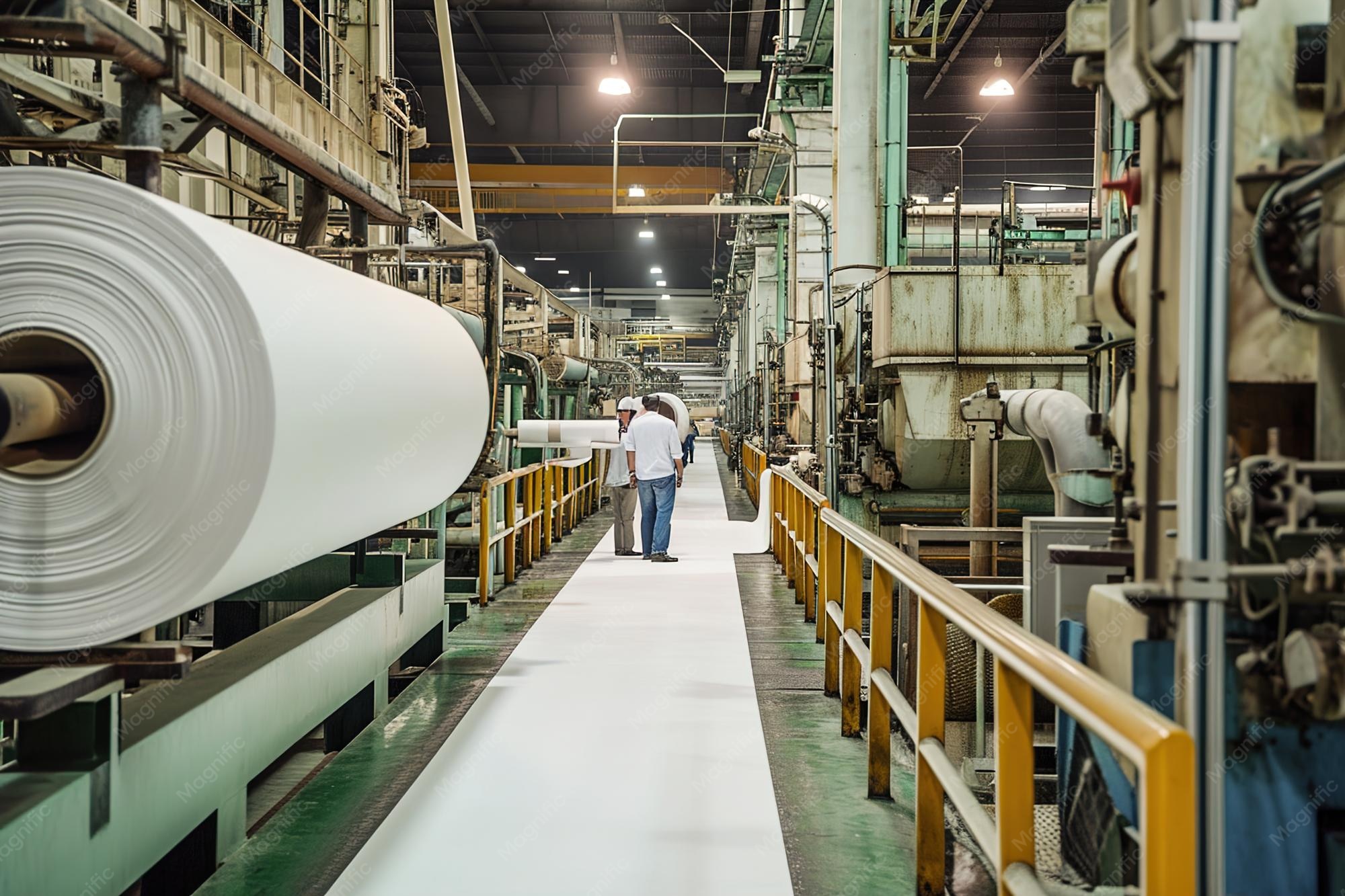
The race for training data has hit a new low. According to reports circulating today, several AI firms have resorted to purchasing rare, often out-of-print books from collectors and libraries, only to immediately shred and scan them. The logic is purely legal: by destroying the physical copy, they argue they are not 'reproducing' the work in a way that violates copyright, creating a unique digital copy that no other competitor can access.
This practice is a direct response to the increasing scarcity of high-quality text data. The internet has been largely scraped, and companies are now turning to analog archives to find 'clean' data that hasn't been polluted by AI-generated slop. Rare books offer a treasure trove of unique syntax, historical context, and specialized knowledge that is simply not available on the open web.
The backlash was immediate. Authors and publishers are calling it 'cultural vandalism,' while librarians are horrified that institutions would participate in the destruction of knowledge to fuel a commercial product. The irony is thick: AI is supposed to democratize information, yet here it is, literally erasing physical history to hoard it for private profit.
For the industry, this is a public relations nightmare that could accelerate strict copyright legislation. While the legal loophole might hold up in court, the court of public opinion is already delivering a guilty verdict. This is the kind of story that turns the general public against AI development, regardless of the technical benefits.
What can be done? Companies need to step back from this cliff. Licensing agreements with libraries and publishers, while slower, preserve the cultural record and avoid the inevitable legal and reputational damage that comes from shredding history.
Meine Einschätzung: This is dystopian-level greed. Destroying human cultural artifacts just to shave a few months off a training run is the kind of move that gets an industry regulated into oblivion.
OpenAI Slashes GPT-5.6 Prices as Cost Pressure Mounts

In a significant strategic pivot, OpenAI announced price reductions for its GPT-5.6 family of models today. The move comes after months of feedback from enterprise customers who have grown increasingly sensitive to the operational costs of running AI at scale. The sticker shock of API bills has been a major barrier to adoption, and OpenAI is feeling the heat from open-source alternatives that offer 'good enough' performance for a fraction of the cost.
The price cut is not just a discount; it is an admission that the market has changed. The era of infinite venture capital funding for AI experiments is over. CFOs are now scrutinizing AI budgets, demanding clear ROI. OpenAI is responding by trying to lower the barrier to entry, hoping to lock in long-term contracts before competitors undercut them further.
This is a classic tech industry playbook move: lower prices to increase volume and squeeze out smaller competitors who cannot afford the margin cuts. For startups building on OpenAI's API, this is welcome news, but it also signals a consolidation phase. The 'race to the bottom' on price is starting, and it will likely force innovation in efficiency rather than just raw model size.
For the consumer, this is great news. Cheaper access to frontier models means more experimentation and more applications being built. For OpenAI, it means they must find other revenue streams or cost-cutting measures to maintain profitability. The pressure is on to make their models not just the smartest, but also the most cost-effective.
Meine Einschätzung: Finally. The 'AI is worth any price' narrative was always a bubble, and this is the first major pop. Companies are realizing that a slightly smarter model isn't worth bankrupting their OpEx.
AI Companies Spend Record Sums on Washington Lobbying

Data released today shows that AI companies have spent unprecedented amounts on lobbying in the first half of 2026. The spending spree dwarfs previous tech lobbying efforts, with major players and a coalition of startups pouring money into influencing Congress. The focus is squarely on the upcoming debates over AI copyright laws, safety regulations, and antitrust actions.
The timing is no coincidence. With the 'rare book shredding' scandal breaking and the EU's AI Act coming into full effect, the industry is facing its most significant regulatory threat yet. Lobbyists are working overtime to frame AI as a national security imperative to avoid strict rules, while also trying to carve out safe harbors for training data usage.
This is a clear signal that the 'move fast and break things' era is over. The companies are now trying to build the walls to protect what they have already taken. The money is being spent on both sides of the aisle, ensuring that any legislation that passes is favorable to the incumbents, potentially crushing smaller open-source projects that cannot afford such influence.
For observers, this is a warning sign. The concentration of political power in the hands of a few AI giants mirrors the consolidation we saw with Big Tech in the 2010s, but it is happening at a much faster pace. The public interest is at risk of being drowned out by the sheer volume of cash flowing into the Capitol.
Meine Einschätzung: They're scared. When the bill comes due for the book-shredding and data theft, they want to have already bought the politicians. This is the inevitable endgame of a gold rush.
Deep Dive
The Real Cost of AI: Why Inference Price Cuts Change Your Architecture
Today's news about OpenAI cutting prices is more than just a discount; it's a signal that the economics of AI are shifting under our feet. For the last two years, the limiting factor for AI applications was the cost per token. This price cut changes the calculus for engineers and product managers, allowing for entirely new architectural patterns that were previously too expensive to consider.
Specifically, the drop in price makes the 'agentic loop' much more viable. Previously, having an AI call another AI, or having a model re-read a document multiple times to reason about it, was cost-prohibitive. Now, with a 30-40% reduction in cost, you can afford to let a model 'think' longer, use more context windows, and perform multiple passes on data without breaking the bank. This allows for higher accuracy without needing to fine-tune a smaller, cheaper model.
However, this also means you need to re-evaluate your current setup. If you built a complex system of small, specialized models to save money, it might now be cheaper and simpler to use one large, general model. The maintenance overhead of a multi-model system is high, and if the price gap narrows, the 'good enough' approach of a single powerful model wins. Run the numbers again with the new pricing; you might find that your 'optimized' stack is now the expensive one.
Furthermore, this price cut pressures open-source self-hosting. Running your own model has a high fixed cost (GPUs, power, cooling). If the API price drops below your marginal cost of running the hardware, it's time to switch back to the cloud. The days of hoarding GPUs for the sake of it are ending. The smart move is to build a 'cost router' that dynamically sends tasks to the cheapest suitable model, whether that is OpenAI, an open-source host, or a local model.
Finally, don't forget the bargaining chip. If OpenAI is cutting prices, you have leverage with their sales team. If you are a high-volume customer, ask for an even better rate. The market is shifting in your favor. Use this opportunity to renegotiate contracts and push for usage-based discounts that reflect the new reality of the market.
The machines are getting cheaper, but the books are getting rarer. Choose your side wisely.